
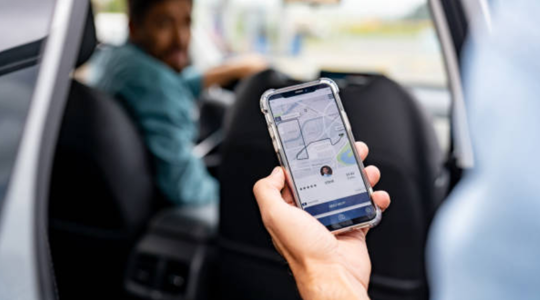
Getting pulled over in Chicago while your Uber or Lyft app is on can feel like your income and future are hanging in the balance. You may be thinking about the passenger you just dropped off, the next ride request that will not come, and whether this one traffic stop is about to cost you both your driver’s license and your access to the app. The flashing lights in the rearview mirror feel very different when driving is how you pay your bills.
For rideshare drivers, a DUI investigation is not just about a night in court. It reaches into your ability to log on, pass background checks, and keep your car on the road. Illinois DUI law, combined with how Uber and Lyft respond to arrests, creates a set of risks that do not apply the same way to someone who only drives for personal errands. Many drivers do not learn about these differences until after their license is already on the line.
At The Toney Law Firm, LLC, we focus our practice on criminal and DUI defense in Chicago, and we regularly work with Uber and Lyft drivers who are suddenly facing a DUI charge in Cook County. Our team, led by Attorney Sarah Toney, who also teaches DUI law, spends every day navigating Illinois DUI rules, Chicago court practices, and the collateral damage these cases cause for people who drive for a living. In this guide, we will unpack how rideshare DUI laws in Chicago work, what they mean for your license and your job, and what steps can protect you.
Call (888) 473-4058 today to set up a consultation, or contact us online to learn more.
Why Rideshare DUI Cases in Chicago Are Different From Ordinary DUIs
On paper, Illinois uses the same DUI statute for everyone who is not driving a commercial truck or bus. In reality, a rideshare driver’s exposure is different because driving is tied directly to income and to background checks that Uber and Lyft run. Anon-ridesharee driver might be worried about court fines and insurance. A rideshare driver has to think about those things and also how any suspension or conviction will show up the next time the platform reviews their record.
Police and prosecutors also look at context. When an officer in Chicago stops someone after watching them leave Wrigleyville or River North in the early hours of the morning, and the driver has an Uber or Lyft trade dress visible or admits they are driving for the app, that shapes how the stop is handled and how the report is written. If the officer believes you are transporting passengers for pay, they may treat you more like a professional driver who “should have known better,” which can influence charging and negotiation down the line.
Your status at the time of the stop matters. Some drivers are logged in and waiting for a ride request. Others are on the way to pick up a passenger or have someone in the back seat. Each of these situations can become part of the narrative the prosecutor presents in court. From our perspective, rideshare DUI cases in Chicago always involve three fronts at once: the criminal case, the administrative license suspension, and the impact on Uber or Lyft access. Any defense strategy has to account for all three, or it does not really protect your livelihood.
Because our practice centers on DUI defense in Chicago, we see these patterns often. We understand how judges and prosecutors react to drivers who are working while accused of DUI and how that pressure can be used against you or managed carefully to protect your future. That difference is one reason rideshare DUI cases call for a more deliberate, strategic approach than a typical first-time DUI.
Chicago & Illinois DUI Laws That Rideshare Drivers Need to Know
Many rideshare drivers focus on a single number, .08, and assume they are safe as long as they are below that. Illinois law is broader. The statute makes it illegal for most drivers to operate or be in “actual physical control” of a vehicle if they have a blood alcohol concentration of .08 or higher or if alcohol or another substance has impaired them to the point that they cannot drive safely. In other words, an officer and prosecutor can build a case even if your test result is below .08, based on driving behavior and other evidence.
Illinois also enforces implied consent. By driving on Illinois roads, you give your consent in advance to chemical testing, such as a breath or blood test, if an officer has reasonable grounds to believe you are under the influence. You can refuse a test, but that choice usually triggers an automatic license suspension that is longer than the suspension for a failed test. For a rideshare driver who depends on being able to drive every day, the length of that suspension can be more damaging than it might be for someone with a desk job.
On the street, officers in Chicago rely heavily on their observations and standardized field sobriety tests. They may note lane weaving, wide turns, or inconsistent speed. They describe your speech, eyes, and coordination, and they often conduct tests such as the walk and turn or one-leg stand. Those details go into the police report and sometimes into squad or body camera footage. Even if you did not feel drunk, these observations can become the backbone of a DUI case that does not rest solely on a breath number.
For rideshare drivers, the stakes attached to these legal rules are higher. A first DUI offense in Illinois can involve fines, court supervision, or even jail time, but it also risks a record that appears on future background checks. That matters when Uber or Lyft looks at your history, not just when the court sets conditions. Our team reviews implied consent warnings, test results, and field sobriety test descriptions closely because those pieces often decide whether a case can be reduced or challenged in a meaningful way.
How Being "On App" Can Affect a DUI Stop for Uber & Lyft Drivers
Rideshare work creates a trail of data that ordinary drivers do not have. When you are logged into Uber or Lyft, the app records your status, your location, and your trips. During a DUI stop in Chicago, your status can become an issue almost immediately. Some officers ask directly whether you are driving for a rideshare company. Others notice stickers or trade dress in the window. Your answer can influence what goes into the report and how serious the officer believes the situation is.
Different app statuses create different storylines. If you were online and waiting for a request when you were stopped, the state might still argue that you were available to carry paying passengers at any moment. If you were en route to a pickup, trip data and messages can show you were on a job. If you had a passenger in the car, that person can become a witness and can also trigger additional concerns about safety in the judge’s mind. These details are often reflected in the way prosecutors talk about the case at hearings and during negotiations.
We also see DUI stops in Chicago that start with information from the app side. A rider can report a driver for suspected impairment through the in-app safety features. That report can lead to the company reaching out and, in some situations, can also result in police contact. When that happens, the stop often begins with an assumption that something is wrong, which can color every observation the officer makes. It is very different from a random stop for a rolling stop sign.
On the defense side, rideshare data can help tell your story more accurately. Trip logs, GPS history, and screenshots can show how long you had been driving, whether there were long gaps between rides, and where you were coming from. We often review these records along with body camera and dash camera footage to challenge exaggerated claims or to show that a driver was not, for example, ferrying a car full of passengers at the time of the alleged offense. This type of detailed review is something we build into our strategy for Chicago rideshare DUIs.
What Happens After a Rideshare DUI Arrest in Chicago
Once an officer arrests you for suspected DUI in Chicago, the process moves quickly and can feel confusing. Typically, your vehicle is either towed or released to a sober driver. You are taken to the station, where the officer decides whether to request a breath or blood test and completes paperwork, including a notice related to your driving privileges. After processing, you are usually released on bond or recognizance, with a first court date set in one of the Cook County courts that handle DUI cases.
Separate from the criminal case, Illinois law creates a statutory summary suspension of your driver’s license when you either refuse a chemical test or take one and register over the legal limit. The officer serves you with a notice of this suspension, and that notice triggers a suspension date that typically falls a set period after the arrest. For many rideshare drivers, this future date is the most urgent problem, because once the suspension takes effect, you are not legally allowed to drive at all, even before your criminal case is decided.
Illinois gives you the right to challenge that administrative suspension by filing a petition to rescind. There is a limited window to file, and the hearing is separate from your criminal trial or plea. At the hearing, the court reviews issues such as whether the officer had reasonable grounds to stop and arrest you, whether you were properly warned about the consequences of testing or refusal, and whether the test was conducted correctly. A successful petition can undo the suspension, which for a rideshare driver can be the difference between working and sitting at home while the criminal case moves forward.
In Chicago, these hearings follow local practices and schedules. Judges, prosecutors, and defense attorneys all know that the timeline is tight, especially for people who drive for a living. At The Toney Law Firm, LLC, we routinely file petitions to rescind quickly for our DUI clients because we understand that every day without a valid license is a day you cannot earn money behind the wheel. We also work through the criminal court process in parallel, reviewing the evidence and planning how to address the charges themselves, not just the suspension.
For a rideshare driver, understanding this two-track process is crucial. Many drivers assume nothing major changes until they go to court or until there is a conviction. In reality, the statutory summary suspension can begin before your first court appearance, and if no one has challenged it, you can find yourself deactivated from rideshare platforms simply because you no longer have a valid license. Knowing this ahead of time allows you to act quickly enough to preserve your options.
How a Chicago DUI Affects Your Uber & Lyft Driver Status
Uber and Lyft are not courts, but they do react to DUI-related events. In our experience, these companies generally pay attention to both arrests and convictions, especially when they show up on background checks or when a rider complaint mentions alcohol. Some drivers see a temporary deactivation shortly after an arrest, while others notice changes when the case appears on a periodic record check. The exact response can vary, but the pattern is that DUI issues are treated as serious safety concerns.
Most rideshare drivers only think about background checks when they first sign up, but the platforms typically review records on a recurring basis. That means the final outcome of your DUI case, not just the original arrest, can affect your ability to stay on the app. A conviction on your record is more damaging than a dismissal, reduction, or certain forms of supervision, because the background check often flags it automatically. Even traffic offenses related to the DUI stop, such as reckless driving in some situations, can matter.
Drivers sometimes ask whether resolving a case quietly in court will keep Uber or Lyft from finding out. The reality is that no attorney controls what a private company does with its own screening standards. What we can influence is the legal record those companies review. If the charge can be reduced, dismissed, or handled in a way that is less damaging on paper, that can make a difference in how background checks read your history later.
When we negotiate or litigate a rideshare DUI case in Chicago, we look beyond just jail exposure and fines. We think about how each potential outcome will appear on your record and how long it will follow you. That long view is especially important for rideshare drivers whose records are checked repeatedly. At The Toney Law Firm, LLC, our team approach and commitment to refining our strategies mean we bring both courtroom experience and an eye for these collateral consequences to every rideshare DUI case. Attorney Sarah Toney’s work as both a practicing DUI attorney and professor helps us stay current with legal developments and think carefully about defense options.
Common Mistakes Rideshare Drivers Make During Chicago DUI Stops
The moments during and after a DUI stop are stressful, and it is easy to make choices that seem minor at the time but make the legal situation worse. One frequent mistake is trying to talk your way out of the stop. Drivers often give long explanations about where they were, how many hours they have been on the app, and exactly what they drank. All of that goes into the report and becomes evidence that can be used against you. Casual admissions, such as saying you had a few drinks between rides, can be more harmful than silence.
Field sobriety tests are another area where we see repeated problems. Many drivers think these are simple balance or coordination checks and that passing them will convince the officer to let them go. In reality, these tests are designed with specific scoring criteria, and they are often conducted on the side of the road in less than ideal conditions. Officers in Chicago frequently describe “clues” of impairment even when drivers believe they did well. Those descriptions become a key part of the probable cause for arrest.
We also see drivers volunteer information about being on the app or working a shift in a way that makes the situation appear worse. There are times when admitting you are working for a rideshare company leads the officer to describe you as a professional driver in the report, which can make the case sound more serious to a judge. You are required to provide license, registration, and proof of insurance and to comply with lawful orders, but you are not required to give detailed statements about your work or nightlife.
Knowing your rights and exercising them calmly can make a significant difference. You can ask for an attorney, and you can choose not to answer questions beyond basic identification. You can comply physically with instructions, such as stepping out of the car, without agreeing that the officer’s conclusions are correct. Our review of Chicago DUI police reports shows that some of the most damaging evidence often comes from drivers talking themselves into deeper trouble. Part of what we do for clients is explain these patterns so they can avoid repeating them in the future.
Defending a Rideshare DUI in Chicago: How a Focused Strategy Protects Your License and Livelihood
A strong defense for a rideshare DUI case in Chicago does not rely on a single argument. It starts with a careful review of why you were stopped. We look at whether the officer had a valid reason to pull you over, such as a clearly documented traffic violation or a specific complaint, or whether the stop rests on vague claims that may not hold up under scrutiny. Body camera and dash camera footage often provide details that are not obvious from the written report, including how you actually drove and how you behaved during the encounter.
From there, we examine the steps the officer took to conclude that you were under the influence. That includes how field sobriety tests were explained and conducted, whether the ground was level, what footwear you had on, and whether there were distractions such as heavy traffic or weather. If there was a breath test, we review the machine’s maintenance records and whether the required observation period and procedures were followed. Mistakes in any of these areas can weaken the state’s case and support motions or negotiation leverage.
For rideshare drivers, timing is a crucial part of defense strategy. Challenging the statutory summary suspension quickly is often as important as fighting the criminal charge itself. A successful petition to rescind can restore your ability to drive while the case is pending, which for many of our clients is essential to keeping up with rent, car payments, and family obligations. We plan this step early, so we can gather the evidence and be ready for a hearing before the suspension date arrives.
Any resolution, whether through negotiation or trial, must consider more than just the immediate penalties. We look ahead to how different outcomes will appear on your driving and criminal records and how long they will remain visible. That long view is especially important for rideshare drivers whose records are checked repeatedly. At The Toney Law Firm, LLC, our team approach and commitment to refining our strategies mean we bring both courtroom experience and an eye for these collateral consequences to every rideshare DUI case. Attorney Sarah Toney’s work as both a practicing DUI attorney and professor helps us stay current with legal developments and think carefully about defense options.
Talk With a Chicago DUI Defense Team That Understands Rideshare Drivers
Facing a DUI arrest as an Uber or Lyft driver in Chicago can make you feel like everything is at risk at once, from your driver’s license to your access to the apps you rely on. Understanding how Illinois law, Chicago court practices, and rideshare company policies intersect is the first step in protecting yourself. The next step is putting a plan in place that addresses both the criminal charges and the administrative and employment fallout.
At The Toney Law Firm, LLC, we work with rideshare drivers across Chicago who are dealing with DUI charges, statutory summary suspensions, and the threat of deactivation. We take the time to review your stop, your app records, and your goals, then build a strategy aimed at protecting your ability to keep driving for a living. To talk about your options and the timelines that apply to your case, contact us today.